
























Hormones and HRT
HRT risks & benefits
Worried about HRT risks? Unclear about the benefits? We answer your questions and provide expert advice.


Everything you need to know about Evorel Sequi patches
Evorel Sequi is a form of oestrogen and progestogen replacement therapy used as part of Hormone Replacement Therapy (HRT). It is a sequential HRT patch, meaning it provides oestrogen-only patches for part of the cycle, followed by combined oestrogen and progestogen patches. This mimics the natural menstrual cycle and is designed for women who are perimenopausal.

Medically reviewed by Dr. Liz Andrew
BMS Accredited Doctor
 Reviewed: 20/02/2025 Published: 19/03/2025
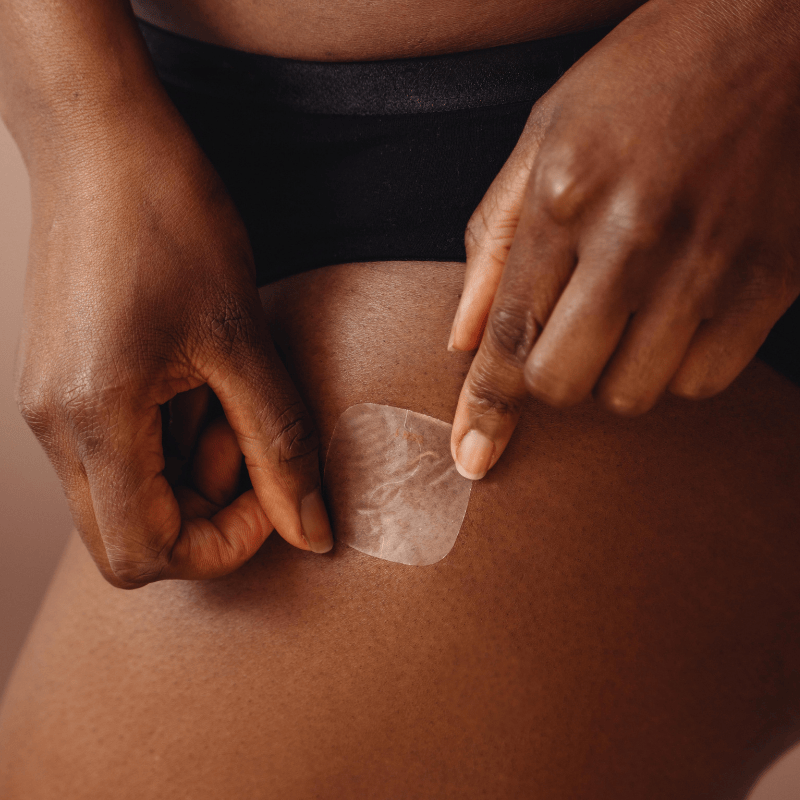
Evorel Sequi contains estradiol (oestrogen) and norethisterone (progestogen). The patches follow a two-phase cycle:
This cycle mimics the natural hormonal fluctuations of a menstrual cycle, making it suitable for women who are still having periods but are perimenopausal.
Evorel Sequi is a safe and effective form of HRT for many women. Since the hormones are absorbed through the skin, it bypasses the liver, which may reduce certain risks associated with oral HRT.
As with all HRT, the benefits and risks are individual and should be discussed with your doctor. Your medical history will determine whether Evorel Sequi is the right option for you.
The estradiol in Evorel Sequi is body identical, meaning it has the same chemical structure as the oestrogen naturally produced by the body. The progestogen (norethisterone) is synthetic but is included to protect the womb lining.
Most women using Evorel Sequi will have a withdrawal bleed (similar to a period) during week 4 of the cycle when using the Evorel Conti patches. If bleeding is heavy or prolonged, speak to your doctor.
When stopping HRT, symptoms may return, and some women experience withdrawal effects such as headaches, mood changes, or joint stiffness. Your doctor may suggest tapering off gradually rather than stopping suddenly, this can help reduce side effects as the changes in hormones are less sudden.
HRT is not designed for period control, but if you need to delay a withdrawal bleed, speak to your doctor. They may advise adjusting the timing of your patches or considering an alternative regimen.
Yes, Evorel Sequi is designed for women who are still having periods but are experiencing perimenopausal symptoms. It provides a structured hormonal cycle similar to your natural one.
Patches should be changed twice a week. A common schedule is Monday & Thursday or Tuesday & Friday. It can help to set a reminder on your phone to change your patches.
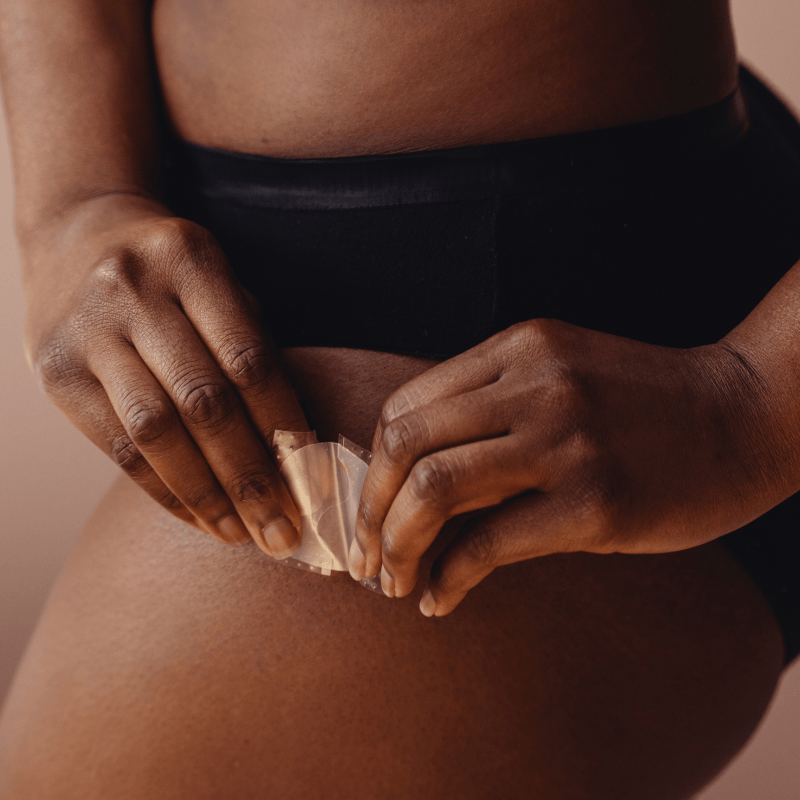
The Estradiol in evorel sequi patches can help to:
The progestogen as part of the combined patches helps protect the lining of the womb.
You should expect to see improvements in symptoms within the first three months. If you experience some benefits but not significant relief, your doctor may adjust your dose at your three-month review.
If you haven’t noticed any improvements after three months, there may be an issue with how your body absorbs the oestrogen. Your doctor may suggest a blood test to check your oestrogen levels.


Dr. Laura Cawley and Dr. Liz Andrew explain combined patches on one of our latest webinars all about HRT and testosterone products. You can watch the fully recorded webinar on YouTube.

Book a complementary discovery call with our patient expert Jane James. Jane can help you by:

Common side effects:
When stopping HRT, symptoms may return, and some women experience withdrawal effects such as headaches, mood changes, or joint stiffness. Your doctor may suggest tapering off gradually rather than stopping suddenly, this can help reduce side effects as the changes in hormones are less sudden.
If your side effects are impacting your quality of life, or they have not settled at three months, please speak to a doctor. If your side effects are severe, or you are concerned, you should speak to a doctor.
If your symptoms persist despite using Evorel Sequi, you should see your menopause care doctor. Your doctor can advise you on whether to:
You should always check with your doctor before changing the type, dose or form of HRT you are using.
Apply directly to the skin
Replace the patch twice per week.
Apply to the lower abdomen or buttocks
IT is important to place the patch below the waist
Avoid areas of irritated skin or tight clothing
Do not apply creams or gels before the patch, as this can affect its adhesion
Change where you put the patch
Rotating the application site prevents skin irritation


